
 Send Inquiry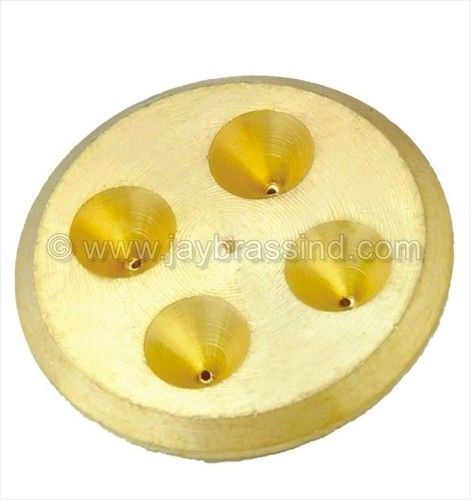
Injector Assembly Jet
5 INR/Piece
Product Details:
- Color Golden
- Product Type Injector Assembly Jet
- Material Brass
- Finish Polished
- Type Injector Assembly Jet
- Surface Treatment Yes
- Diameter 14 mm
- Click to View more
X
Injector Assembly Jet Price And Quantity
- 5 INR/Piece
- 1 Piece
- Automotive Fuel Injection Systems
- Box
- -20°C to 120°C
- Yes
- Metric Fine
- 150 bar
Injector Assembly Jet Product Specifications
- Polished
- Yes
- Standard
- Brass
- 14 mm
- Injector Assembly Jet
- 85 g
- Injector Assembly Jet
- Golden
- Automotive Fuel Injection Systems
- Box
- -20°C to 120°C
- Yes
- Metric Fine
- 150 bar
Injector Assembly Jet Trade Information
- Cheque
- 1 Piece Per Day
- 1 Days
- No
- Australia, South America, Eastern Europe, Middle East, Central America, Western Europe, Asia, North America, Africa
- All India
Product Description
Injector Assembly Jet is a small nozzle-like component found in fuel injection systems. It is designed to atomize and spray the fuel into the combustion chamber of an internal combustion engine. The Injector Assembly Jet ensures accurate fuel delivery, optimizing engine performance, fuel efficiency, and emissions control. It is typically made of durable materials that can withstand the high pressures and temperatures associated with fuel injection systems.
Frequently Asked Questions:
Q: What is the purpose of an Injector Assembly Jet?
A: The primary purpose of an Injector Assembly Jet is to deliver fuel to the combustion chamber in a precise and atomized manner. It helps ensure that the correct amount of fuel is mixed with air for efficient combustion, contributing to optimal engine performance and fuel economy.
Q: How does an Injector Assembly Jet work?
A: Injector Assembly Jets operate by pressurizing the fuel and forcing it through a small orifice or nozzle. The high pressure causes the fuel to atomize into a fine mist or spray, promoting better fuel-air mixing and combustion efficiency when it reaches the engine's combustion chamber.
Q: Can Injector Assembly Jets get clogged or require maintenance?
A: Yes, Injector Assembly Jets can occasionally get clogged or require maintenance due to the presence of contaminants in the fuel. Clogging can hinder proper fuel atomization and affect engine performance. Regular maintenance and cleaning, along with using clean and high-quality fuel, can help prevent or address such issues.
Q: How can I diagnose a faulty Injector Assembly Jet?
A: A faulty Injector Assembly Jet can lead to engine performance issues such as misfires, rough idling, decreased fuel efficiency, or excessive emissions. Diagnosing a faulty injector typically requires specialized diagnostic tools, such as fuel pressure gauges or injector testing equipment. It's advisable to seek the assistance of a qualified mechanic or technician for accurate diagnosis and repair.
Precision Engineered Performance
Built from robust brass with a polished surface treatment, the Injector Assembly Jet resists corrosion and maintains reliable function in challenging environments. Its standard size and metric fine threading make installation straightforward, ensuring precision fuel delivery in automotive applications.
Versatile Application
This injector jet is ideal for a variety of automotive fuel injection systems. Tested to operate efficiently between -20C and 120C, and at pressures up to 150 bar, it suits vehicles operating under varying conditions. Its golden color and high-quality finish enhance appearance and longevity.
FAQ's of Injector Assembly Jet:
Q: How is the Injector Assembly Jet installed in automotive fuel injection systems?
A: Installation requires fitting the injector assembly jet into the designated port using the metric fine thread for a secure connection. The polished, corrosion-resistant brass finish ensures durability and facilitates easy handling during assembly.Q: What are the benefits of the brass material and surface treatment used in this injector jet?
A: The brass construction provides excellent strength and resistance to corrosion, enhancing the jet's lifespan. The polished surface treatment further protects against wear, resulting in prolonged and reliable operation in demanding environments.Q: When should the Injector Assembly Jet be replaced in a vehicle's fuel injection system?
A: Replacement is recommended during routine maintenance or upon signs of performance decline, such as decreased fuel efficiency or irregular engine operation. Regular inspection ensures optimal function within the specified pressure and temperature ranges.Q: Where can I purchase the Injector Assembly Jet in India?
A: The injector assembly jet is available through authorized distributors, exporters, manufacturers, suppliers, traders, and service providers throughout India. It is typically supplied packaged in a box for secure transport and storage.Q: What is the process for ensuring compatibility with automotive systems?
A: To guarantee compatibility, confirm that the fuel injection system supports the jet's standard size (14 mm diameter), working pressure (150 bar), and operating temperature range. The metric fine thread must match the system's installation requirements.Q: How does the injector jet's corrosion resistance benefit fuel systems?
A: Corrosion resistance ensures the injector jet maintains its structural integrity and performance over time, reducing the risk of fuel system contamination and prolonging the life of both the jet and associated components in harsh operating conditions.Tell us about your requirement

Price:
Quantity
Select Unit
- 50
- 100
- 200
- 250
- 500
- 1000+
Additional detail
Mobile number
Email

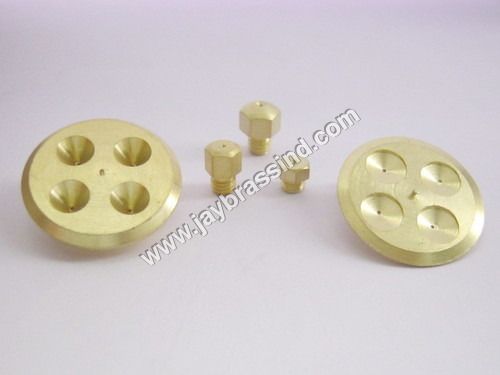
Other Products in 'Brass LPG Jet' category



Contact Details
JAY BRASS INDUSTRIES
AN ISO 9001:2008 CERTIFIED COMPANY
AN ISO 9001:2008 CERTIFIED COMPANY

- PLOT NO 48 B, SARDAR PATEL ESTATE, RAOD NO 2, GOKULNAGAR MAIN ROAD, Jamnagar, Gujarat, 361004Jamnagar - 361004, Gujarat, India
- Phone :08045800304

- Mr Vipul Patel (Partner)
- Mobile :08045800304
- vipul_jayindustries@yahoo.com
 Send Inquiry
|


 Send Inquiry
 Send SMS
 |
JAY BRASS INDUSTRIES
All Rights Reserved.(Terms of Use) Developed and Managed by Infocom Network Private Limited. |
